Behind the Compounding Counter: The Sterility Blind Spots in Your Hospital's On-Site Drug Lab
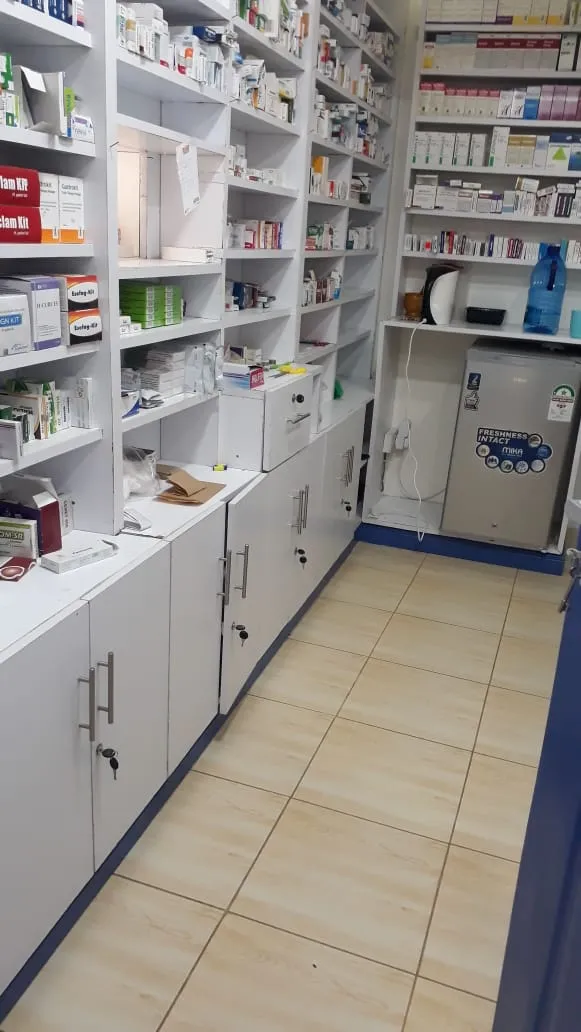
Photo: Seldonslukoye, CC BY-SA 4.0, via Wikimedia Commons
A Drug Made Just for You—But Under What Standards?
When a pharmacist compounds a medication, the intent is precision: a formulation tailored to a patient's specific dose, a preparation unavailable through commercial channels, or a drug reformulated to eliminate an allergen. In surgical and procedural settings, compounded drugs are remarkably common. Epidural anesthetics, antibiotic irrigation solutions, ophthalmic preparations, and oncology infusions frequently originate not from a licensed pharmaceutical manufacturer but from a compounding lab operating inside the very facility treating you.
The assumption most patients carry into the operating room is that these preparations are subject to the same rigorous sterility verification as commercially manufactured drugs. That assumption is, in many documented cases, incorrect.
The Regulatory Divide That Creates the Risk
In the United States, the oversight of drug compounding is divided between the Food and Drug Administration (FDA) and individual state boards of pharmacy—a jurisdictional split that has, over decades, produced significant gaps in enforcement. Commercial drug manufacturers operate under FDA's Current Good Manufacturing Practice (cGMP) regulations, which include routine inspections, mandatory sterility testing, and extensive documentation requirements. Hospital-based and outsourcing-facility compounders operate under a different framework, one where the depth of oversight varies considerably by state and by the volume of drugs being prepared.
The Drug Quality and Security Act of 2013, passed in the aftermath of a catastrophic fungal meningitis outbreak linked to a compounding pharmacy in Massachusetts that killed more than 60 people, was intended to close the most dangerous gaps. It established a new category of FDA-registered outsourcing facilities subject to federal inspection. However, traditional hospital pharmacies that compound for their own patient population—sometimes called "503A" compounders—remain primarily under state jurisdiction, with inspection frequency and rigor differing sharply from one state to the next.
The result: two drugs prepared through nearly identical processes can face vastly different levels of scrutiny depending solely on where and how they are categorized.
What Contamination Events Reveal About the System
The 2012 New England Compounding Center disaster remains the most catastrophic example of compounding-related harm in modern U.S. medical history. But it is not an isolated case. FDA inspection records and state pharmacy board findings have documented contamination events at compounding facilities across the country in the years since—including incidents involving particulate matter in injectable solutions, microbial contamination in preparations intended for sterile administration, and potency failures that rendered medications clinically ineffective.
What makes these events particularly troubling is how often they are discovered after patients have already been exposed. Unlike a commercial drug recall, which typically triggers a broad notification system, contamination in a hospital compounding lab may surface only after an adverse event occurs, a routine internal audit flags an anomaly, or a state inspector visits—which, in many jurisdictions, happens once every several years.
Patients who receive compounded injectables during surgery or procedural sedation are rarely informed that the drug was prepared on-site rather than sourced from a licensed manufacturer. The distinction is not disclosed on consent forms in most facilities.
The Inspection Gap Nobody Talks About
Surprise inspections—the gold standard for evaluating whether a facility's sterility practices reflect its documented protocols rather than a performance prepared for auditors—are not a standard feature of hospital pharmacy oversight in most states. Scheduled inspections allow facilities to present their best operational picture. Policies are reviewed; equipment is serviced; staff are briefed. What inspectors rarely see is the compounding lab at 11 p.m. on a Tuesday, when a short-staffed team is preparing the next morning's surgical caseload under time pressure.
Environmental monitoring—the practice of regularly sampling clean room air and surfaces for microbial contamination—is required under USP Chapter <797>, the primary national standard governing sterile compounding. However, compliance with USP <797> is enforced through state inspection programs that vary significantly in their technical capacity and frequency. A 2020 survey of state pharmacy boards found that a meaningful number of states conducted sterile compounding inspections less than once every three years.
For patients undergoing elective procedures, this timeline is not abstract. The drug entering your vein or your spinal canal tomorrow may have been prepared in a clean room that has not been formally evaluated in years.
Questions Patients Can—and Should—Ask
Sterile compounding is not inherently unsafe. When practiced correctly, with proper clean room design, validated sterilization processes, rigorous environmental monitoring, and trained personnel, it is an essential service that supports high-quality patient care. The problem is not compounding itself—it is the inconsistency of oversight that allows wide variation in practice quality to persist invisibly.
Patients scheduled for procedures involving injectable medications can take several concrete steps before their procedure date:
Ask whether your medications will be compounded. Request that your care team identify whether any drugs to be administered—particularly injectables, epidurals, or irrigation solutions—will be prepared on-site by the facility's pharmacy rather than sourced from a licensed commercial manufacturer.
Inquire about the facility's compounding accreditation. Voluntary accreditation programs, including those offered by the Pharmacy Compounding Accreditation Board (PCAB), provide a meaningful signal that a facility has submitted to external evaluation of its sterile compounding practices. Not all facilities pursue accreditation, and its absence is worth noting.
Ask when the compounding area was last inspected. A facility committed to transparency will be able to provide this information. Reluctance to answer is itself informative.
Request information about the facility's environmental monitoring program. Facilities following USP <797> conduct regular sampling of clean room environments. Asking whether this program is active and whether results are reviewed by a designated person signals to staff that patients are informed and engaged.
The Precision Standard That Should Apply Everywhere
At SteriPuram, the standard we hold for sterile care is not one of minimum compliance—it is one of consistent, verifiable practice. Precision care means that every drug entering a patient's body during a procedure has been prepared under conditions that can be documented, audited, and defended. The regulatory framework governing hospital compounding does not yet guarantee that standard universally.
Until it does, patient awareness is the most reliable safeguard available. Knowing that compounded drugs exist, understanding the oversight gap that surrounds them, and asking direct questions before your procedure are not acts of distrust—they are acts of informed participation in your own care.