The Recovery Room Nobody Monitors: Bridging the Sterility Gap Between Hospital Discharge and Home Wound Care
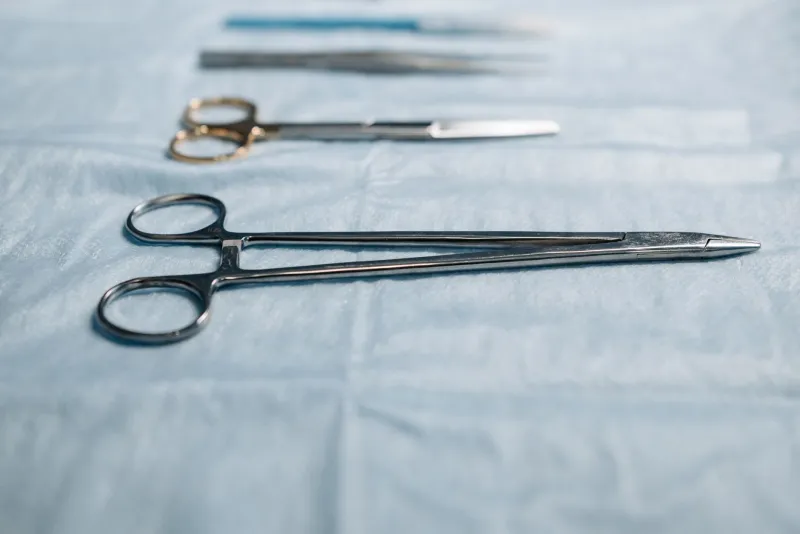
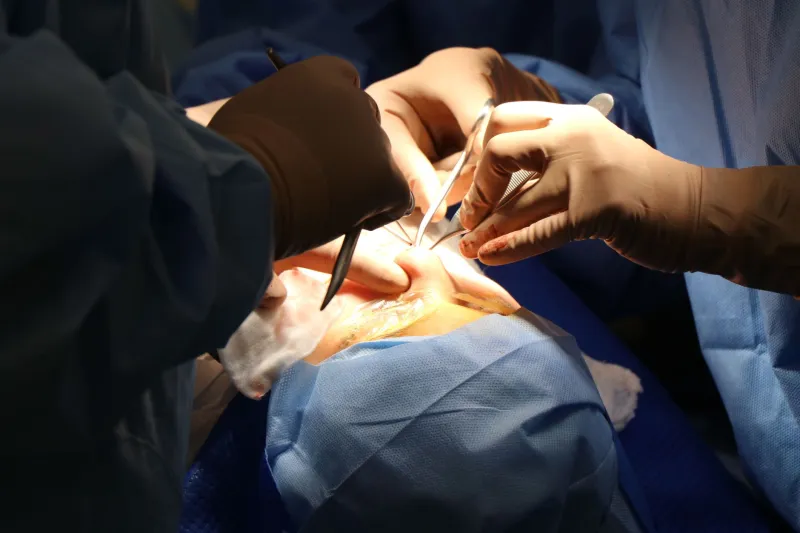
The operating room is, by design, one of the most rigorously controlled environments in American healthcare. Airflow is filtered and directional. Surfaces are disinfected between cases. Every instrument that enters the sterile field has been processed to a defined microbiological standard. The clinical team follows protocols refined over decades to minimize the risk of contamination at the most critical moment in a patient's care.
Then the patient goes home.
What happens to sterility after discharge is a question that surgical teams, infection preventionists, and health systems have not answered with the same rigor they apply to intraoperative care. The evidence suggests that the gap is consequential. A meaningful proportion of surgical site infections (SSIs) — wound infections that represent one of the most common and costly complications of surgery in the United States — do not originate in the operating room at all. They develop during the recovery period, in environments that are not sterile, managed by patients who have rarely received comprehensive instruction in the specific techniques required to keep a healing wound clean.
This is not a criticism of patients. It is a structural observation about a system that has invested heavily in the sterility of the procedure and considerably less in the sterility of what follows.
The 30-Day Window and What It Reveals
The Centers for Disease Control and Prevention (CDC) defines surgical site infections using a 30-day surveillance window for most procedures, extended to 90 days for operations involving implantable devices. This window exists because SSIs frequently do not become clinically apparent until days or weeks after the procedure itself — and because the contamination event that initiates the infection may occur at any point within that timeframe.
National surveillance data from the CDC's National Healthcare Safety Network (NHSN) consistently identifies SSIs as one of the most common healthcare-associated infections, contributing to extended hospital stays, increased antibiotic use, and substantial healthcare costs. What those aggregate figures do not always make explicit is the proportion of SSIs that originate post-discharge — a number that has grown as surgical care has shifted toward outpatient and same-day settings, where patients leave the clinical environment within hours of their procedure.
Research published in surgical and infection control literature has estimated that a significant share of SSIs in ambulatory surgical patients are diagnosed after discharge, with the contamination event most plausibly occurring during home wound care. The exact proportion varies by procedure type and patient population, but the pattern is consistent enough to warrant systematic attention.
Where the Breakdown Occurs
Post-discharge wound care failures are rarely dramatic. They do not usually involve a patient making an obviously reckless decision. More often, they reflect the predictable consequences of asking individuals with no clinical training to perform a task that requires a degree of procedural discipline that was never adequately taught.
Handwashing technique: The single most important infection prevention behavior in home wound care is thorough hand hygiene before touching the wound or dressing. Yet discharge instructions frequently reduce this requirement to a single sentence — "wash your hands before changing your dressing" — without specifying technique, duration, or the critical distinction between routine handwashing and the more deliberate hygiene required before a wound care procedure.
Dressing supply quality and sterility: Patients are often discharged with a small supply of wound care materials and a prescription or recommendation to purchase additional supplies at a pharmacy. The quality of wound dressings available over the counter varies considerably, and patients may not understand the difference between a sterile individually wrapped dressing and a non-sterile pad. Some may reuse dressings, cut larger dressings into pieces with non-sterile scissors, or store opened supplies in ways that compromise their integrity.
Environmental contamination: Home environments are not sterile — nor should they need to be for routine wound care. However, changing a dressing on a bathroom counter shared with household members, or on a kitchen table, introduces environmental pathogen exposure that would never occur in a clinical wound care setting. Pets, in particular, represent an underappreciated contamination risk during post-operative recovery.
Frequency and timing errors: Wound dressings left in place beyond their recommended change interval can become saturated, macerated, or colonized. Conversely, dressings changed too frequently can disrupt the wound healing environment. Without clear, specific instruction, patients frequently default to a schedule that feels intuitive rather than one that is clinically appropriate.
Shower and bathing guidance: The instructions patients receive about wound exposure to water are often vague or inconsistent. "Keep the wound dry" is a common directive, but what constitutes acceptable incidental water exposure — and how to properly dry and redress a wound after showering — is rarely explained in adequate detail.
What Hospitals Are Responsible For — and What They Currently Provide
The Joint Commission and CMS Conditions of Participation both require hospitals to provide discharge instructions that are appropriate to the patient's needs and comprehension level. In practice, the discharge process in American hospitals is frequently rushed, occurring at a moment when patients are managing the cognitive and physical effects of anesthesia, pain medication, and the emotional weight of having undergone a procedure.
Studies examining patient retention of discharge instructions have found that a substantial proportion of patients cannot accurately recall key components of their post-operative care guidance within 24 to 48 hours of receiving it. Written instructions help, but written materials distributed at discharge are frequently generic, insufficiently detailed on the specific topic of wound care sterility, and not tailored to the patient's health literacy level.
Some institutions have implemented structured discharge education programs that include hands-on wound care demonstrations, teach-back verification (asking patients to demonstrate the technique rather than simply confirm they understood the instruction), and post-discharge telephone follow-up calls. These programs consistently demonstrate better patient adherence and lower SSI rates. They are not yet standard practice.
Evidence-Based Guidance for Home Wound Care
For patients currently in the post-operative period — or preparing for a procedure — the following principles reflect current best evidence for maintaining wound integrity at home.
Before every dressing change, wash hands with soap and water for a minimum of 20 seconds, paying attention to all surfaces including between fingers and under nails. If the wound is in a location requiring two-handed manipulation, consider using sterile gloves, which are available at most pharmacies and provide an additional barrier.
Use only sterile, individually packaged wound care supplies. Do not open a package until the moment of use. Do not use supplies that have been previously opened or stored outside their original packaging. When purchasing wound care materials, look specifically for the word "sterile" on the packaging — "clean" is not equivalent.
Prepare a clean surface before beginning any dressing change. A freshly cleaned, dry tabletop covered with a clean paper towel provides an adequate field for home wound care. Avoid bathroom surfaces when possible.
Follow your surgeon's specific instructions regarding dressing type, change frequency, and wound exposure to water. If your instructions are ambiguous, call the surgical office for clarification before improvising. Most practices have a nurse available to answer post-operative care questions by phone.
Know the signs of infection: increasing redness, warmth, swelling, purulent drainage, fever, or escalating pain at the wound site are all indications that require prompt clinical evaluation. Do not wait for your scheduled follow-up appointment if these signs develop.
Closing the Gap: A Shared Responsibility
The responsibility for post-discharge sterility does not rest entirely with patients. Healthcare systems that perform surgical procedures have an obligation to equip patients with the knowledge and materials necessary to maintain wound integrity during recovery — not as a courtesy, but as an extension of the standard of care that begins in the operating room.
This means investing in structured, teach-back-verified wound care education before discharge. It means providing sufficient sterile supplies for the initial recovery period rather than directing patients to a pharmacy while still in the hospital gown. It means following up by phone within 48 to 72 hours of discharge to assess wound status and reinforce key care behaviors.
At SteriPuram, we hold that precision care and sterile standards are not properties of a room or a procedure — they are commitments that follow the patient wherever recovery takes them. The 30-day window after surgery is not a period of reduced clinical responsibility. It is a continuation of care that deserves the same rigor as everything that preceded it.