SteriPuram Precision Care. Sterile Standards. Better Outcomes.

SteriPuram

Precision Care. Sterile Standards. Better Outcomes.

Latest Articles

Patient Safety & Infection Control

One Crack in the Chain: How a Single Sterility Breach Can Ripple Through an Entire Day of Surgery

A single deviation from sterile protocol in an operating room does not confine its consequences to one patient or one procedure. Through shared air handling systems, common instrument processing pathways, and the cumulative pressure of a full surgical schedule, one breach can propagate risk across every case performed that day. Understanding this cascade dynamic is essential for patients, clinical staff, and administrators who want to grasp the true stakes of sterility compliance.


The Screen Between Patient and Risk: What Virtual Care Cannot See About Sterility Before and After Your Procedure
Patient Empowerment & Procedure Preparation

The Screen Between Patient and Risk: What Virtual Care Cannot See About Sterility Before and After Your Procedure

Telemedicine has reshaped how Americans access medical guidance, including consultations that precede and follow surgical and invasive procedures. Yet the video call format introduces a fundamental limitation: it cannot observe the physical conditions—wound appearance, home environment hygiene, or facility sterility standards—that determine whether a patient is truly safe. As virtual pre- and post-operative care becomes more common, understanding what it cannot assess may be as important as know

Certified but Not Safe: The Hidden Gap Between Outpatient Clinic Credentials and Real Sterility Practice
Patient Empowerment & Procedure Preparation

Certified but Not Safe: The Hidden Gap Between Outpatient Clinic Credentials and Real Sterility Practice

A certification plaque on the wall of an outpatient clinic or urgent care center can inspire confidence—but it rarely tells the full story of what happens in the procedure room. Regulatory inspections are infrequent, narrowly scoped, and often announced in advance, leaving wide windows during which corners can be quietly cut. Patients who understand the difference between documented compliance and genuine sterility standards are far better positioned to protect themselves.

Cold Chain, Warm Risk: The Silent Threat of Temperature Failures in Hospital Biologics and Injectable Medications
Patient Safety & Infection Control

Cold Chain, Warm Risk: The Silent Threat of Temperature Failures in Hospital Biologics and Injectable Medications

Temperature excursions during the storage and transport of biologics, vaccines, and sterile injectables can silently degrade these products long before they reach a patient — with no visible warning signs to alert clinical staff. From pharmaceutical warehouse to clinic refrigerator, the cold chain is more fragile than most patients or providers appreciate, and the consequences of its failure range from subtherapeutic dosing to unexpected immune reactions.

Patient Empowerment & Procedure Preparation

Recalled and Forgotten: Why the Patients Most Affected by Contaminated Medical Devices Are Usually the Last to Find Out

When a medical device or sterile supply is recalled weeks after it was used in your surgery, the odds are high that no one will tell you. A fractured FDA notification system, inconsistent hospital disclosure practices, and a legal framework that prioritizes facility compliance over patient awareness leave millions of Americans in the dark about potential exposures that may already be affecting their health.

Patient Empowerment & Procedure Preparation

The Recovery Room Nobody Monitors: Bridging the Sterility Gap Between Hospital Discharge and Home Wound Care

Surgical site infections do not always originate in the operating room. A significant proportion develop during the post-discharge recovery period, when patients are managing wounds at home with limited training, inconsistent supplies, and no clinical oversight. Understanding where the handoff from hospital sterility protocols to home care breaks down — and what patients can do to close that gap — is one of the most underaddressed topics in surgical patient education.

Pipes, Pathogens, and the Perioperative Patient: The Hospital Water Crisis No One Is Talking About
Patient Safety & Infection Control

Pipes, Pathogens, and the Perioperative Patient: The Hospital Water Crisis No One Is Talking About

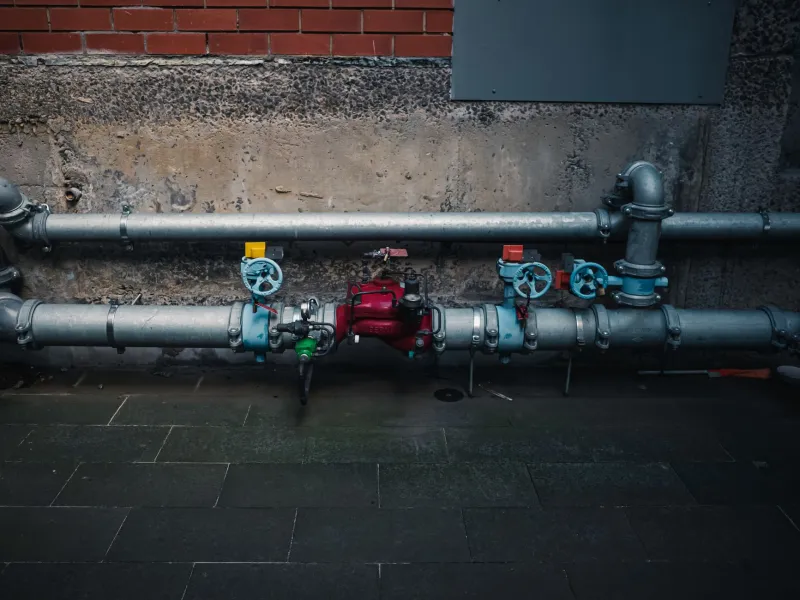
Beneath the gleaming surfaces of American surgical suites runs a labyrinth of aging pipes and stagnant water lines harboring organisms capable of derailing even the most meticulously prepared sterile field. From Legionella to Pseudomonas aeruginosa, waterborne pathogens within hospital infrastructure represent one of the most underappreciated threats to surgical patient safety in the United States. This investigation examines how plumbing becomes a vector, why regulatory frameworks have failed t

The Forgotten Fluid: How Contaminated Surgical Irrigation Solutions Are Quietly Endangering American Patients
Patient Safety & Infection Control

The Forgotten Fluid: How Contaminated Surgical Irrigation Solutions Are Quietly Endangering American Patients

Surgical irrigation fluids flow directly into open wounds and body cavities during procedures — yet the sterility of these solutions receives a fraction of the scrutiny applied to surgical instruments. Contaminated irrigation fluid has been implicated in serious postoperative infections across U.S. hospitals, often without patients ever learning the true source of their complications. This article examines the full lifecycle of surgical irrigation fluid, the points at which the sterility chain b

Scoped and Exposed: The Endoscope Reprocessing Crisis That U.S. Hospitals Have Yet to Fully Solve
Patient Safety & Infection Control

Scoped and Exposed: The Endoscope Reprocessing Crisis That U.S. Hospitals Have Yet to Fully Solve

Flexible endoscopes are among the most difficult medical devices to disinfect, and the consequences of failure have been catastrophic for thousands of American patients. Unlike heat-tolerant surgical instruments, these complex tools require chemical disinfection protocols that are far easier to perform incorrectly than most hospitals will admit. This article examines the documented outbreaks, the regulatory gaps, and the questions every patient should ask before consenting to an endoscopic proce

Labeled Once, Used Twice: The Regulated but Rarely Disclosed Practice of Single-Use Device Reprocessing in U.S. Hospitals
Patient Empowerment & Procedure Preparation

Labeled Once, Used Twice: The Regulated but Rarely Disclosed Practice of Single-Use Device Reprocessing in U.S. Hospitals

Millions of Americans undergo procedures each year without knowing that the device entering their body may have been labeled 'single-use only' — yet legally cleaned, sterilized, and redeployed under FDA oversight. The $4 billion reprocessing industry operates within a defined regulatory framework, but documented cases of patient harm and unresolved sterility questions demand that every patient ask sharper questions before consenting to care.

Midnight in the Sterile Processing Department: The After-Hours Vulnerability Window Your Hospital Won't Advertise
Patient Safety & Infection Control

Midnight in the Sterile Processing Department: The After-Hours Vulnerability Window Your Hospital Won't Advertise

The sterility of your morning procedure may be determined not by your surgeon's skill or your hospital's reputation, but by decisions made in a dimly lit processing room at 2 a.m. by a skeleton crew working under considerable pressure. Staffing shortages, reduced supervisory oversight, and compressed instrument turnaround timelines during overnight shifts in U.S. hospital sterile processing departments create a compounding chain of risk that rarely appears in public quality reports. Understandin

Precision Machines, Imperfect Protocols: The Sterilization Gaps Hiding Inside Robotic Surgery
Patient Safety & Infection Control

Precision Machines, Imperfect Protocols: The Sterilization Gaps Hiding Inside Robotic Surgery

Robotic-assisted surgery is celebrated for its precision, but the complex instruments powering these procedures introduce sterilization challenges that traditional surgical tools never posed. From narrow internal channels to proprietary reprocessing restrictions, the sterility blind spots in robotic surgery deserve far more attention than they currently receive. Here is what every patient should understand before consenting to a robot-assisted procedure.

Trusted, Ubiquitous, and Surprisingly Fallible: The Hidden Sterility Risks Inside Every Pair of Medical Gloves
Patient Safety & Infection Control

Trusted, Ubiquitous, and Surprisingly Fallible: The Hidden Sterility Risks Inside Every Pair of Medical Gloves

Medical gloves are so deeply embedded in clinical culture that patients rarely question whether they are actually doing their job. Yet manufacturing defects, improper donning practices, and widespread confusion between sterile and non-sterile glove categories create daily sterility vulnerabilities across U.S. healthcare facilities. Understanding these blind spots is the first step toward becoming a more informed and protected patient.

Breathing Safe: What the Air Inside Your Operating Room Reveals About Your Surgical Risk
Patient Safety & Infection Control

Breathing Safe: What the Air Inside Your Operating Room Reveals About Your Surgical Risk

The air circulating above an operating table is among the most precisely engineered environments in modern medicine — yet most patients never consider it. From HEPA filtration to laminar airflow and UV-C purification, the systems governing what you breathe during surgery can mean the difference between a smooth recovery and a life-threatening infection.

Reusable Surgical Drapes: What Hospitals Aren't Telling You About the Fabric Between You and Infection
Patient Empowerment & Procedure Preparation

Reusable Surgical Drapes: What Hospitals Aren't Telling You About the Fabric Between You and Infection

Budget-driven hospitals across the United States are quietly reverting to reusable textile surgical drapes, a shift that carries significant sterility implications most patients never hear about. Understanding how these drapes are processed — and where that process routinely breaks down — may be one of the most important things you do before your next procedure. Here is what the evidence reveals, and the questions every patient deserves to ask.

When Steam Is No Longer Enough: How Sterilization-Resistant Pathogens Are Forcing U.S. Hospitals to Rethink Everything
Patient Safety & Infection Control

When Steam Is No Longer Enough: How Sterilization-Resistant Pathogens Are Forcing U.S. Hospitals to Rethink Everything

For more than a century, the autoclave has stood as the cornerstone of surgical sterilization — a near-infallible weapon against microbial contamination. But a new generation of hardy, drug-resistant pathogens is exposing the limits of steam sterilization, compelling hospitals and surgical centers across the United States to confront an uncomfortable truth: the tools they trust most may not always be enough.

Cutting Corners or Cutting Edge? How Ambulatory Surgery Centers Measure Up on Sterility
Patient Empowerment & Procedure Preparation

Cutting Corners or Cutting Edge? How Ambulatory Surgery Centers Measure Up on Sterility

Millions of Americans now undergo surgical procedures at freestanding ambulatory surgery centers rather than traditional hospitals, drawn by convenience, lower costs, and shorter wait times. But as the outpatient surgery sector expands rapidly, patients deserve a clear-eyed look at how infection control and sterility protocols at these facilities compare to those of full-scale hospital operating rooms. Understanding the regulatory landscape — and knowing what questions to ask — can meaningfully

Beyond the Blade: The Hidden Environmental Threats Inside Today's Operating Rooms
Patient Safety & Infection Control

Beyond the Blade: The Hidden Environmental Threats Inside Today's Operating Rooms

Surgical skill is only one piece of the patient safety equation. Mounting evidence suggests that airflow disruptions, door traffic, and team movement patterns inside the operating room pose contamination risks that credentials alone cannot address. Understanding these environmental factors equips patients to ask the right questions before any procedure.

From Factory Floor to Operating Room: How the Invisible Journey of a Surgical Implant Can Make or Break Patient Safety
Patient Safety & Infection Control

From Factory Floor to Operating Room: How the Invisible Journey of a Surgical Implant Can Make or Break Patient Safety

A surgical implant's safety is not determined solely in the operating room — it is shaped by every warehouse shelf, delivery truck, and receiving dock it passes through before surgery. Temperature deviations and supply chain lapses can silently compromise sterility and structural integrity without leaving any visible trace. Understanding how leading facilities safeguard the cold chain is essential knowledge for every patient preparing for an implant procedure.

Twelve Hands, One Scalpel: The Rigorous Path a Surgical Instrument Travels Between Patients
Patient Safety & Infection Control

Twelve Hands, One Scalpel: The Rigorous Path a Surgical Instrument Travels Between Patients

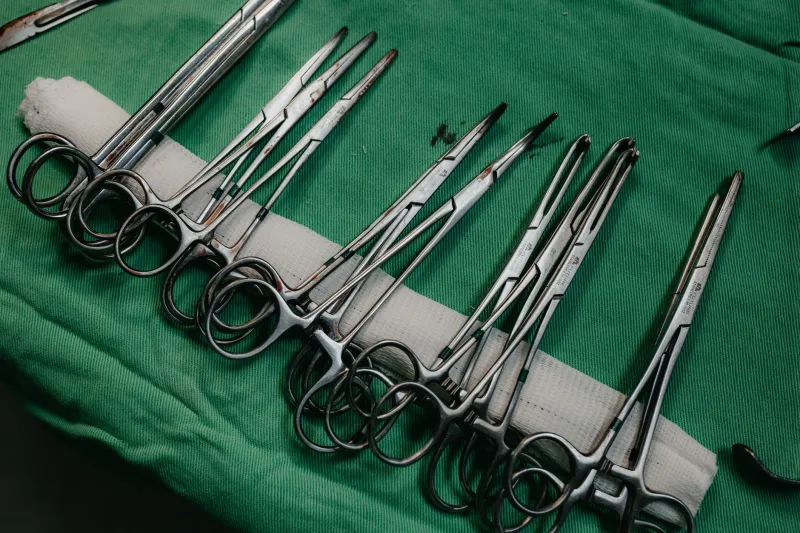
Most patients never consider what happens to a surgical instrument after it leaves the operating room — or the extraordinary number of steps required before it can safely return. From contaminated tray to sterile field, the journey of a single scalpel or forceps involves meticulous inspection, chemical decontamination, precision packaging, and validated sterilization cycles managed by highly trained technicians. Understanding this process can transform the way patients evaluate the facilities th